I keep photographs of older works, places and ordinary moments on my phone. I return to them from time to time, not because I want to recreate what has passed, but because they remind me that change rarely means leaving everything behind.
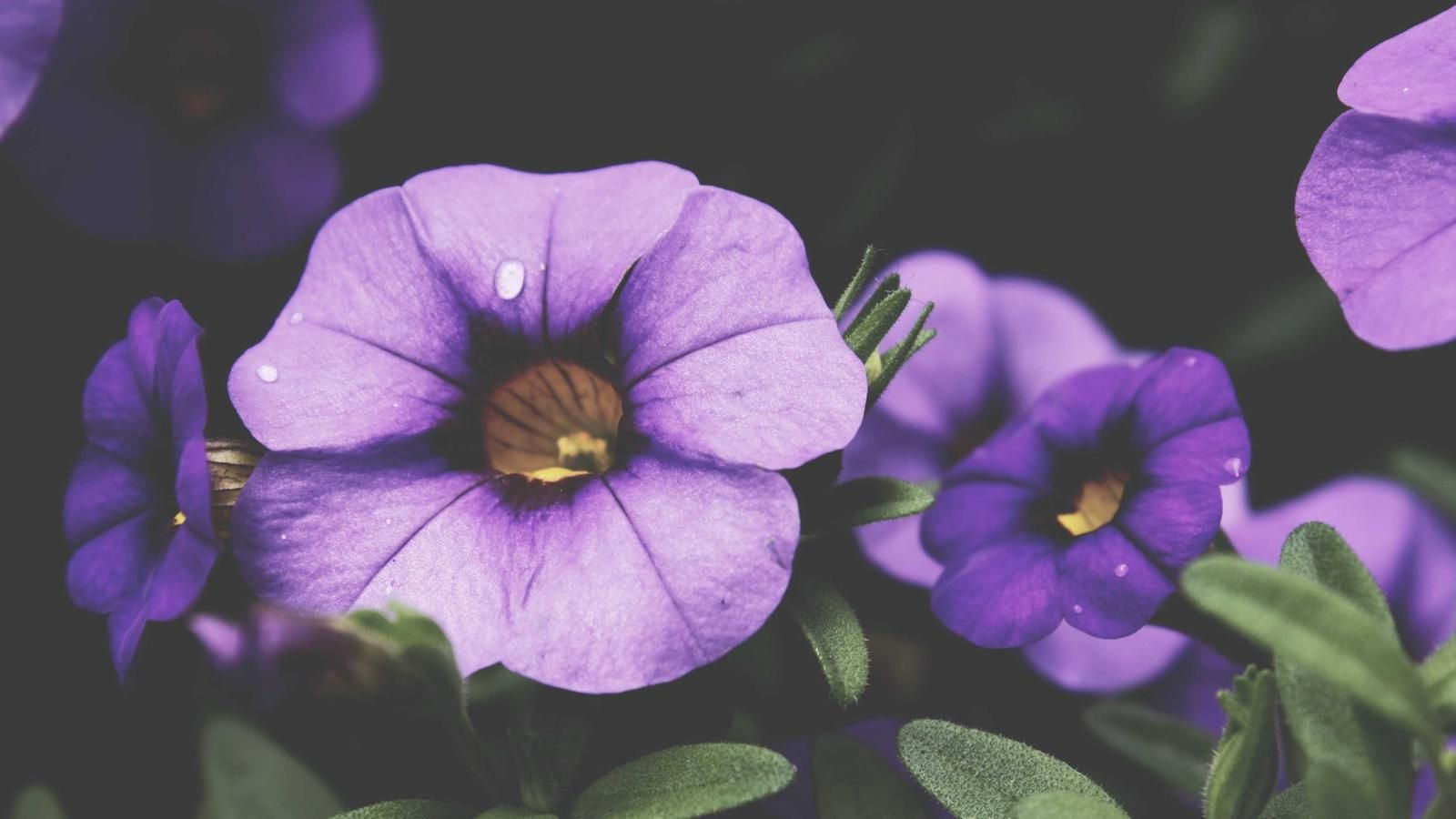
Some photographs are of paintings. Others are simply things that made me stop and look: water, flowers, changing light, a particular sky, a colour I wanted to remember. Together they have become an informal archive of different moments in my life and practice.
Looking through them, I can see different versions of myself. There are choices I would not make now, colours I would approach differently and ideas I understand in another way. Yet those earlier decisions still belong to me. They hold something of the person I was when I made them.
We do not become ourselves by leaving every former self behind. Some parts remain, quietly carried forward.
I have become increasingly interested in this idea of accumulation. We often speak about change as though one version of ourselves disappears and another takes its place. My experience has been different. Places, relationships, memories and cultural experiences remain with us. Even when they change meaning, they continue to shape how we understand ourselves.
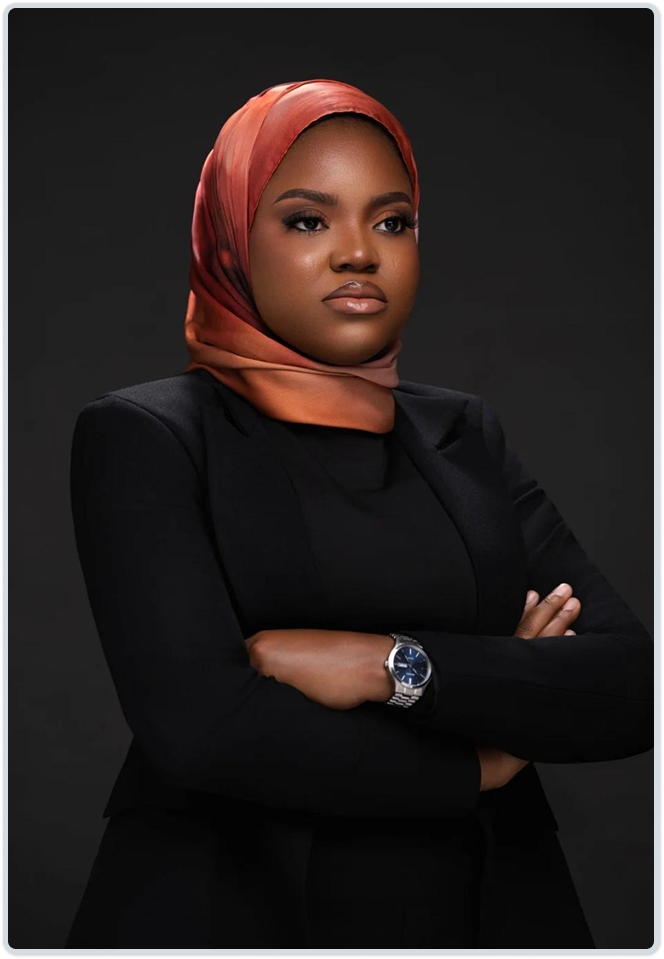
This is one reason the human figure and face continue to interest me. A face appears to tell us who someone is, yet it can only reveal a fraction of what that person carries. Memory is invisible. So are many of the places we have known, the relationships that have shaped us and the cultural inheritances that influence how we move through the world.
When I began experimenting with overlapping portraits, I became interested in making that accumulation visible. Features could interrupt one another. One face could remain beneath another. Instead of presenting identity as fixed and complete, the image could hold several states of becoming at once.
Movement between places made these questions more present for me. What changes when the environment around us changes? What remains familiar? Which parts of ourselves adapt, and which parts continue to insist on being carried?
These questions eventually brought me back to home.
I no longer think of home only as a geographical location. Home can exist in memory, relationships, culture, familiar patterns or the feeling of being able to exist authentically. Sometimes it is a place. Sometimes it is something reconstructed from what remains.
Perhaps this is why I feel tenderness rather than embarrassment when I encounter earlier versions of my work. They are records of becoming. They remind me that growth does not require us to erase what came before.
The things we carry may change meaning as we do, but traces remain: places we have known, things we have inherited, people we have loved and versions of ourselves we once occupied.
That is increasingly where my work begins: with the question of what remains with us when everything else changes.


