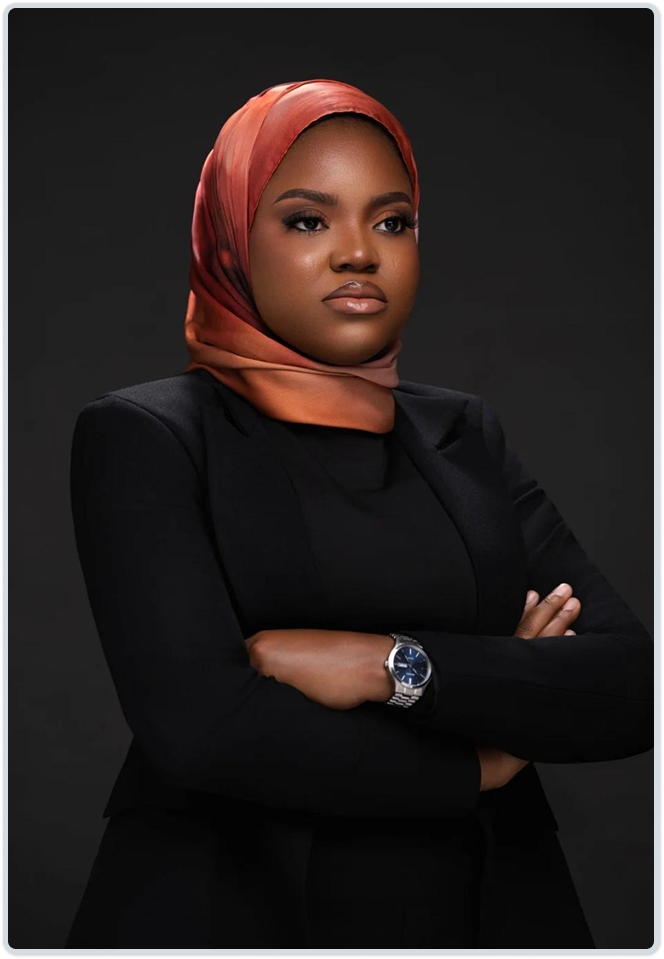

I studied economics before I studied art formally. Then data analytics. My path into a full creative practice was not linear, and people sometimes look at my CV with a kind of puzzlement — as if these things do not belong in the same story.
But they are the same story. The ways I was trained to think in those disciplines have not left me. They live in the practice, not visibly but structurally.
Scarcity, trade-offs, marginal utility. The economic concepts I studied in lecture halls turned out to map surprisingly well onto a studio practice.
Economics is fundamentally about constraints and choices. Every agent operates within limits — of resource, of time, of information — and makes decisions accordingly. A painting is exactly this. You have a surface of fixed dimensions. You have a limited number of decisions you can make before the work is overworked. Every mark you put down closes off other marks. There is no neutral move.
Data analytics gave me something different: a comfort with pattern, with variance, with the distance between signal and noise. I learned to look at a dataset and ask not just what it shows but what it hides. What is being excluded by the framing? Where is the edge of the known?
I ask the same questions of a canvas. What is the composition excluding? Where is the eye being directed and what is it being directed away from? A painting is a dataset with an aesthetic surface — information organised to produce an experience. Understanding that organisation is part of understanding the work.
None of this makes the process mechanical. If anything, the analytical framework creates a container for intuition to operate within. When I know why a composition is failing structurally, I can fix the structure and then step back and let the feeling lead. The two modes need each other. Logic without feeling produces furniture. Feeling without logic produces chaos. The practice lives in the tension between them.